
Call us now :08045803488
 Send Inquiry

 Send Inquiry
Reducer Valve
MOQ : 1 Piece
Reducer Valve Specification
- Pressure Ratings
- Up to 350 Bar
- Capacity
- Depend on Model - customizable
- Sealing
- NBR/Viton/O-ring
- Diameter
- 15mm to 50mm
- Connection
- Threaded/Flanged/BSP/NPT
- Mounting Type
- Sub-plate Mounted
- Noise Level
- Low Noise Operation, <60 dB
- IP Rating
- IP54
- Application
- Industrial Hydraulics, Fluid Control Systems
- Valve Type
- Pressure Reducing Valve
- Flow Rate
- 10 LPM to 120 LPM
- Usage
- Industrial
- Standard
- ISO, ANSI, DIN
- Material
- Cast Iron / Carbon Steel / Stainless Steel
- Temperature
- -10C to 80C
- Media
- Hydraulic Oil, Water, Air
- Structure
- Piston Type
- Product Type
- Reducer Valve
- Power
- Manual
- Port Size
- 1/4 to 2
- Color
- Black
- Model
- Hydraulic Pressure Reducer Valve
- Pipe Connection Type
- Screw/Flange
- Adjustment Range
- 3 to 30 MPa
- Body Finish
- Black Oxide Coated
- Indicator Type
- Mechanical Adjustment Knob
- Leakage Rate
- 0.1 cc/min at rated pressure
- Spring Material
- High Tensile Alloy Steel
- Compatible Fluids
- Mineral Oil, Synthetic Hydraulic Fluids
- Installation Position
- Horizontal Preferred
- Operational Life
- Over 1 Million Cycles
- Weight
- Approx. 3.5 - 7 kg depending on size
Reducer Valve Trade Information
- Minimum Order Quantity
- 1 Piece
- Supply Ability
- 100 Pieces Per Day
- Delivery Time
- 7-30 Days
Reducer Valve About
Reducer Valve is a flow control unit that is commonly used in air powdered systems to safely deliver working fluid within the system to ensure efficient and controlled functioning. It is manufactured by using premium grade alloyed materials that impart high tensile and compressive strength to bear extreme pressure. Reducer Valve availed by us comes in various sizes as per the application areas where it is going to be installed.
Specification
| Series | VDRV7R06 | |
| Nominal Size | Inch | 3/4 |
| mm | 20 | |
| Maximum Flow | gpm | 80 |
| IPM | 300 | |
| Maximum Pressure | PSI | 5000 |
| Bar | 350 | |
| Mounting | Thread- Subplate | |
Robust Construction and Design
Constructed with cast iron, carbon steel, or stainless steel, this reducer valve is crafted to withstand demanding industrial environments. Its black oxide finish offers extra resilience against corrosion and wear, ensuring longevity. With its high-pressure rating and precise piston structure, the valve is ideal for reliable hydraulic control in fluid systems.
Precision and Easy Adjustment
The valve features a mechanical adjustment knob, allowing users to fine-tune the pressure within a wide range of 3 to 30 MPa. The adjustable indicator provides real-time feedback, facilitating accurate setup and maintenance. This makes it especially useful in dynamic industrial settings requiring quick pressure modifications.
Wide Compatibility and Versatile Application
Suitable for mineral oil and synthetic hydraulic fluids, this pressure reducer functions optimally with various connection standards such as BSP, NPT, threaded, and flanged types. Its temperature tolerance, flexible port sizing (1/4" to 2"), and customizable capacity accommodate diverse industrial tasks, including water and air control.
FAQ's of Reducer Valve:
Q: How is the hydraulic pressure reducer valve installed and what is the preferred orientation?
A: For optimal performance, the valve should be installed in a horizontal position using sub-plate mounting. Pipe connections can be made via screw or flange, with available options for threaded, BSP, or NPT standards, accommodating various installation requirements.Q: What types of fluids are compatible with this pressure reducing valve?
A: The valve is compatible with mineral oil and synthetic hydraulic fluids. It is also suitable for use with hydraulic oil, water, and air, making it versatile for a range of fluid control applications in industrial settings.Q: When should this valve be used in a hydraulic system?
A: This pressure reducing valve is ideal for situations where precise control of downstream pressure is necessary to protect sensitive equipment or maintain consistent system performance. It is particularly suited for industrial hydraulics and fluid control systems operating under variable conditions.Q: Where can this valve be utilized within an industrial facility?
A: The valve is typically installed in centralized hydraulic systems, fluid distribution lines, and process control stations where reliable pressure reduction and management are critical. It is also suitable for OEM and upgrade projects in facilities across India and global markets.Q: What is the adjustment process for setting the desired pressure?
A: Pressure is set using the mechanical adjustment knob, which features a clear indicator for accuracy. Simply rotate the knob until the desired output pressure is achieved within the 3 to 30 MPa range. Adjustments can be performed during operation to accommodate system changes.Q: What benefits does the reducer valve offer in terms of performance and reliability?
A: The valve ensures stable pressure control with a leakage rate as low as 0.1 cc/min, an operational life exceeding one million cycles, and low noise operation under 60 dB. Its robust construction and precision adjustment make it a reliable choice for heavy-duty industrial applications.Q: How does the valve's material and coating contribute to its longevity?
A: Constructed from cast iron, carbon steel, or stainless steel, and finished with black oxide, the valve resists corrosion and mechanical wear. This combination extends the valve's life, making it suited for long-term operation in harsh industrial environments.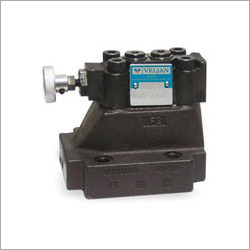
Tell us about your requirement

Price:
Quantity
Select Unit
- 50
- 100
- 200
- 250
- 500
- 1000+
Additional detail
Mobile number
Email

More Products in Pressure Control Valves Category

Relief Valves
Price 1000 INR / Piece
Minimum Order Quantity : 1 Piece
Valve Type : Pressure Relief Valve
Mounting Type : Inline / Panel Mounted
Model : Industrial Relief Valve
Structure : Other, Piston Type Relief Valve

Pressure Control Valve
Minimum Order Quantity : 1 , , Piece
Valve Type : Pressure Control Valve
Mounting Type : Inline
Model : Custom/Standard model (as per requirement)
Structure : Other, Direct operated
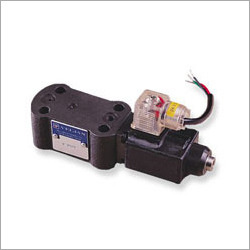
3-Way Vent Valve
Minimum Order Quantity : 1 Piece
Valve Type : 3Way Solenoid Valve
Mounting Type : Inline or panel mount
Model : 3Way Vent Valve (exact model as per manufacturer detail)
Structure : Other, 3Way, Solenoidoperated valve

Unloader Valve
Minimum Order Quantity : 1 Piece
Valve Type : Pressure Relief/Unloader
Mounting Type : Inline/Bolted Mounting
Model : Unloader Valve Industrial Series
Structure : Other, Piston Type

 Send Inquiry

Our Products
- Vane Pumps
- Piston Pumps
- Veljan Vane Motors
- Veljan Hydraulic Seat Valve
- Veljan Direction Control Valves
- Hydraulic Gear Pumps & Motors
- Veljan Check Valves
- Veljan Flow Control Valves
- Veljan Pressure Control Valves
- High Pressure Gear Motor
- Roller Bearing Gear Motor
- Gear Flow Divider
- High Pressure Gear Pump
- Roller Bearing Gear Pump
- Vane Pump Cartridge Kits
- Diverter Valves
- Pressure Control Valves
- Flow Control Valves
- Hydraulic Motors Accessories
- Hydraulic Pumps
- Hydraulic Seat Valves
- Mobile Sectional Valves
- Hydraulic Check Valves
- Hydraulic Flow and Proportional Control Valves


MZ-3, Bansi Trade Centre, 581/5, M. G. Road, Indore - 452001, Madhya Pradesh, India

Mr Pankaj Goyal
(Proprietor)
Mobile :08045803488
 Send Inquiry
 Send SMS

Developed and Managed by Infocom Network Private Limited.


